
New project to improve support for families of children with neurodevelopmental conditions
Many families with children with autism, ADHD, and other neurodevelopmental conditions often find that the current support system is fragmented and difficult to navigate. To change this, a pilot project is now being launched to lay the foundation for more coordinated and personalised support for families in need of special assistance for their children.
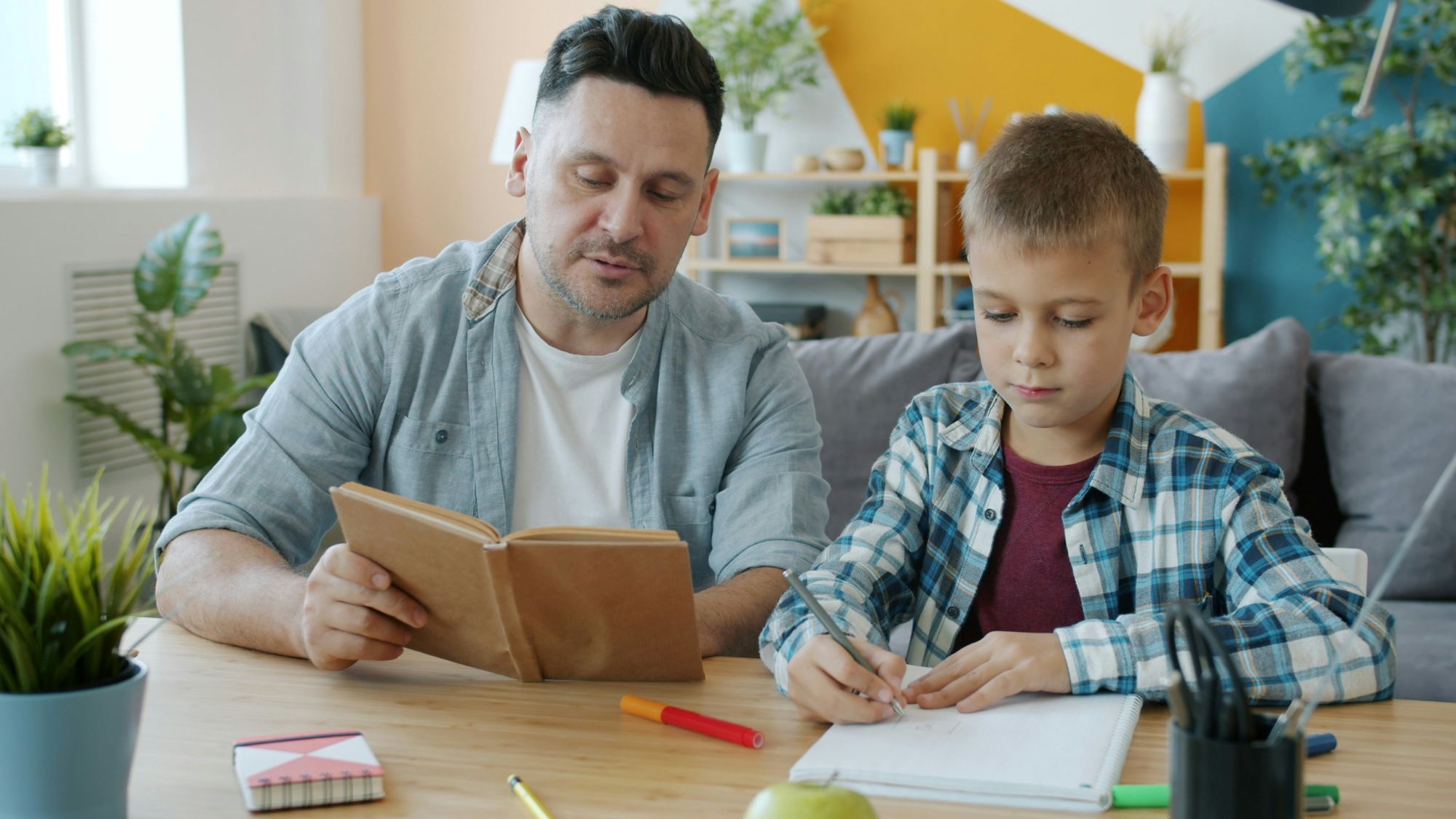
Photo: Vitaly Gariev / Unsplash
The project aims to develop a digital solution that makes it easier for families to find the right support. Although there is a lot of information and many actors involved today, the support system is still perceived as fragmented, difficult to understand, and often dependent on the knowledge and commitment of individual professionals.
The project is in its early stages, and so the type of digital solution is as yet undetermined and will evolve as the project develops.
Relatives' experiences have contributed to the project
"Many parents today struggle to know where to turn to and what to do, while municipalities and regions struggle to provide the right guidance. We have developed a concept where we will utilize the possibilities of AI, and if we can support this process, we will have achieved something significant," says Lilly Augustine, Senior Lecturer in Disability Studies at the School of Education and Communication at Jönköping University.
The idea for the project was born out of repeated experiences of parents who have described how they are often forced to act as coordinators between different actors while trying to manage everyday life. Many testify to a support system that is currently organised based on principals, activities, and administrative structures—not on the actual needs of the family. In practice, this means that important information risks remaining with individuals within the system, which means that families can easily fall between the cracks.
The idea is that the new tool will make it easier to both identify and prioritise needs, while also making the support system more accessible and transparent.
JU and Science Park – working together for research that creates real social benefits
JU and Science Park are collaborating to make research useful in society. Researchers, students, and entrepreneurs receive help in developing ideas into innovations that benefit people's everyday lives.
There are several different ways to get help developing an idea: Så bidrar vi till att nyttiggöra forskning - Science Park Jönköping
Research that benefits society
By gathering information, creating clearer structures, and giving families a concrete tool to rely on, the project team hopes to contribute to a more inclusive and effective support model.
“I see that the project has great potential to have a real impact and make a difference for families—it is a strong example of how research can be translated into concrete social benefits,” says Louise Andersson, Innovation Advisor at Science Park.
When municipal practice, research-based knowledge, and innovative power work together, the conditions are created for more equal and effective support for families—and researchers believe that the AI-based support system can be further developed into a solution that other municipalities and regions can also use.
Fact
Behind the innovation project are Karina Huus, Professor in Nursing at the School of Health and Welfare, and Lilly Augustine, Senior Lecturer in Disability Studies at the School of Education and Communication. The work is being carried out by the CHILD research group at Jönköping University, in collaboration with Science Park Jönköping, Uppsala Municipality, and Region Uppsala. The project is funded by verification funds from the Swedish innovation agency Vinnova.


